




China-Linked Red Menshen Uses Stealthy BPFDoor Implants to Spy via Telecom Networks

A long-term and ongoing campaign attributed to a China-nexus threat actor has embedded itself in telecom networks to conduct espionage against government networks. The strategic positioning activity, which involves implanting and maintaining stealthy access mechanisms within critical environments, has been


Claude Extension Flaw Enabled Zero-Click XSS Prompt Injection via Any Website

Cybersecurity researchers have disclosed a vulnerability in Anthropic’s Claude Google Chrome Extension that could have been exploited to trigger malicious prompts simply by visiting a web page. The flaw “allowed any website to silently inject prompts into that assistant as

Masters of Imitation: How Hackers and Art Forgers Perfect the Art of Deception

Unmasking impostors is something the art world has faced for decades, and there are valuable lessons from the works of Elmyr de Hory that can apply to the world of defensive cybersecurity. During the 1960s, de Hory gained infamy as

ThreatsDay Bulletin: PQC Push, AI Vuln Hunting, Pirated Traps, Phishing Kits & 20 More Stories

Some weeks in security feel loud. This one feels sneaky. Less big dramatic fireworks, more of that slow creeping sense that too many people are getting way too comfortable abusing things they probably shouldn’t even be touching. There’s a little

[Webinar] Stop Guessing. Learn to Validate Your Defenses Against Real Attacks

Most teams have security tools in place. Alerts are firing, dashboards look clean, threat intel is flowing in. On the surface, everything feels under control. But one question usually stays unanswered: Would your defenses actually stop a real attack? That’s

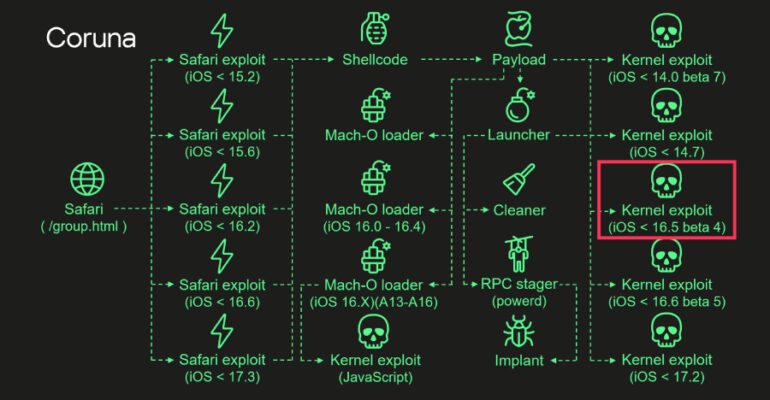
Coruna iOS Kit Reuses 2023 Triangulation Exploit Code in New Mass Attacks

The kernel exploit for two security vulnerabilities used in the recently uncovered Apple iOS exploit kit known as Coruna is an updated version of the same exploit that was used in the Operation Triangulation campaign back in 2023, according to

WebRTC Skimmer Bypasses CSP to Steal Payment Data from E-Commerce Sites

Cybersecurity researchers have discovered a new payment skimmer that uses WebRTC data channels as a means to receive payloads and exfiltrate data, effectively bypassing security controls. “Instead of the usual HTTP requests or image beacons, this malware uses WebRTC data