



Google Finds Hackers Using AI Agents to Build and Run Exploits From Software Patches

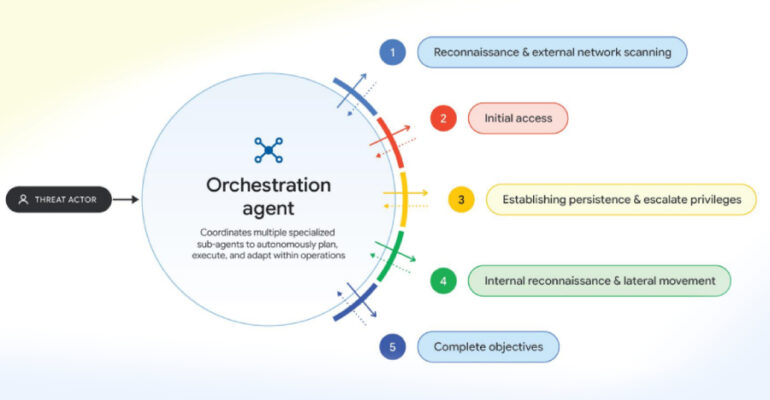
Google on Monday revealed that adversarial use of artificial intelligence (AI) by threat actors has gone beyond manual prompting to deploying autonomous multi-agent offensive frameworks like ARTEX, CAIRN, CyberStrikeAI, and PentAGI to execute multi-stage intrusions at greater operational velocity. In

⚡ Weekly Recap: N-able 0-Days, Windows 0-Days, Chrome 0-Days, Fridge 0-Days, and More Bad Days

A default password opened doors it never should have. A trusted update delivered malware. Even a security feature became a way to break in. Different stories, same problem: the things meant to protect us aren’t always doing their job. Meanwhile,

Six Unpatched Danfoss Refrigeration Controller Flaws Could Allow Remote Takeover Without Login

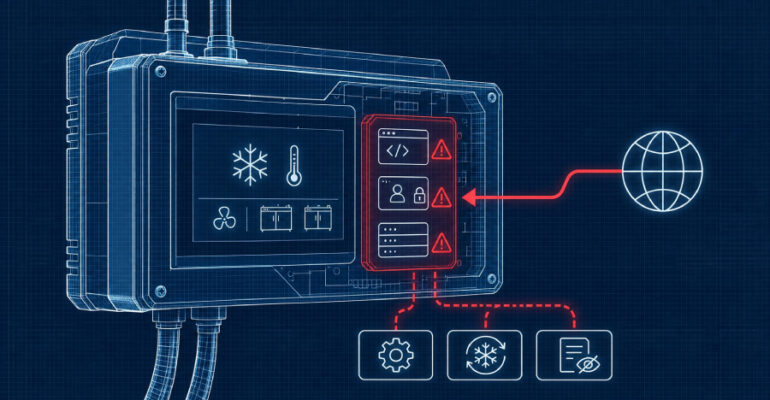
Six flaws in Danfoss AK-SM800A refrigeration controllers could let a remote attacker take over a controller without logging in, Dutch security consultancy Midnight Blue said earlier this week. No patch is available, and the researchers say the newest firmware, version

Retadup Worm Resurfaces 7 Years After Takedown to Spread CoffeeLoader Malware

Cybersecurity researchers have disclosed details of a new variant of CoffeeLoader, a malware designed to deliver additional payloads to infected machines. “On launch, the NSIS-based installer executable dropped a file named ‘7z.dll’ into a temporary directory and ran it through

SANSAR Linux Cryptomining Malware Uses Modified NVIDIA Library to Hide GPU Activity

A financially motivated threat activity cluster tracked as REF3364 has been attributed to a Linux-focused cryptocurrency mining operation that tampers with the readings used to detect high GPU workloads. Central to the intrusion is a toolkit called SANSAR, a Rust-based

Amazon Uncovers AI Agent Campaign Targeting LiteLLM, Dify, and Other Apps for API Keys

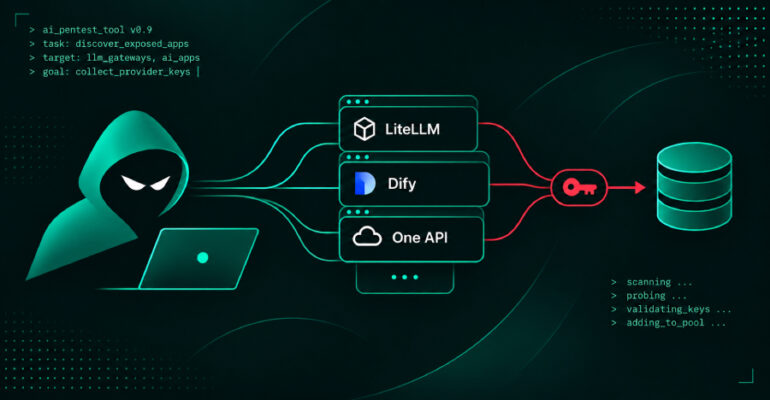
Attackers’ AI agents have been hunting for weak spots in internet-exposed AI apps such as LiteLLM, One API, and Dify to steal the AI provider keys stored inside, according to the agents’ own records. The records, which Amazon’s threat intelligence

BO Team Exploits Log4Shell in VMware vCenter, Compromises Russian Firm’s Code-Signing Server

An investigation into suspicious activity within a Russian software developer’s network has uncovered a months-long compromise of its development infrastructure and a software code-signing server. The activity, documented by Kaspersky’s ICS CERT team after it was contacted by the affected