



TCLBANKER Banking Trojan Targets Financial Platforms via WhatsApp and Outlook Worms

Threat hunters have flagged a previously undocumented Brazilian banking trojan dubbed TCLBANKER that’s capable of targeting 59 banking, fintech, and cryptocurrency platforms. The activity is being tracked by Elastic Security Labs under the moniker REF3076. The malware family is assessed
Fake Call History Apps Stole Payments From Users After 7.3 Million Play Store Downloads

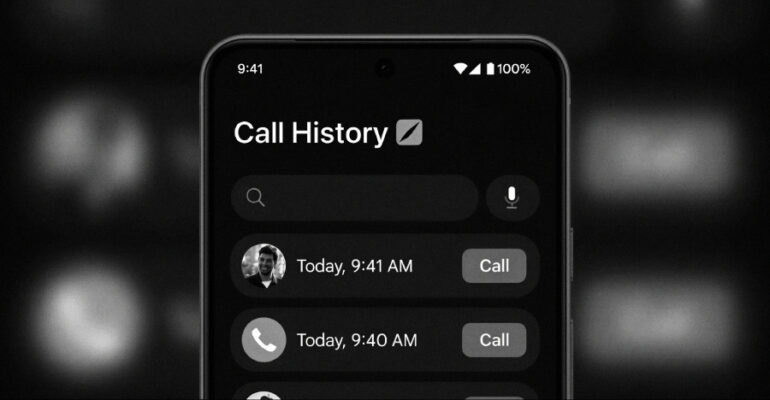
Cybersecurity researchers have discovered fraudulent apps on the official Google Play Store for Android that falsely claimed to offer access to call histories for any phone number, only to trick users into joining a subscription that provided fake data and

Quasar Linux RAT Steals Developer Credentials for Software Supply Chain Compromise

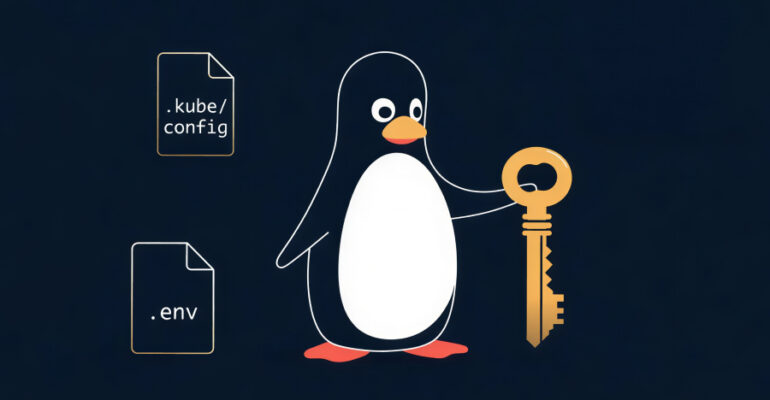
A previously undocumented Linux implant codenamed Quasar Linux RAT (QLNX) is targeting developers’ systems to establish a silent foothold as well as facilitate a broad range of post-compromise functionality, such as credential harvesting, keylogging, file manipulation, clipboard monitoring, and network

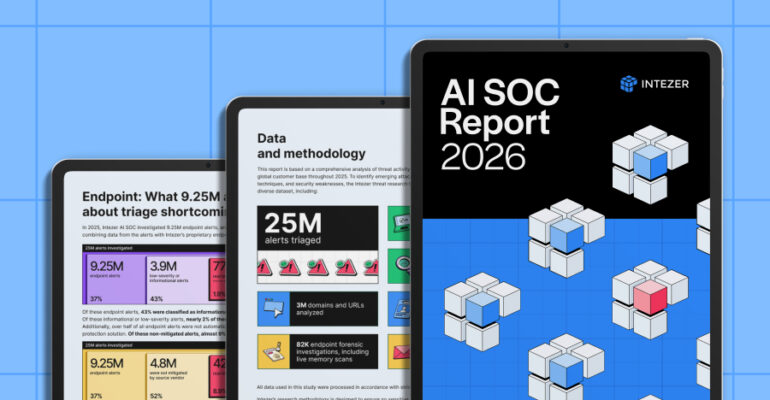
One Missed Threat Per Week: What 25M Alerts Reveal About Low-Severity Risk

The dark secret of enterprise security operations is that defenders have quietly institutionalized the practice of not looking. This is not just anecdotal, but rather backed by a recent report investigating more than 25 million security alerts, including informational and

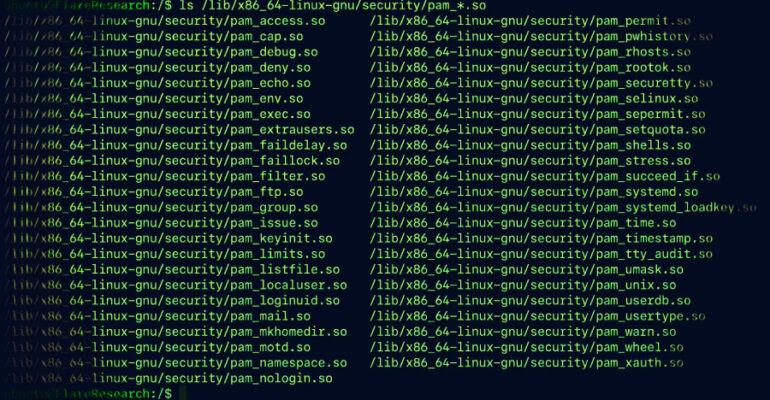
New Linux PamDOORa Backdoor Uses PAM Modules to Steal SSH Credentials

Cybersecurity researchers have disclosed details of a new Linux backdoor named PamDOORa that’s being advertised on the Rehub Russian cybercrime forum for $1,600 by a threat actor called “darkworm.” The backdoor is designed as a Pluggable Authentication Module (PAM)-based post-exploitation

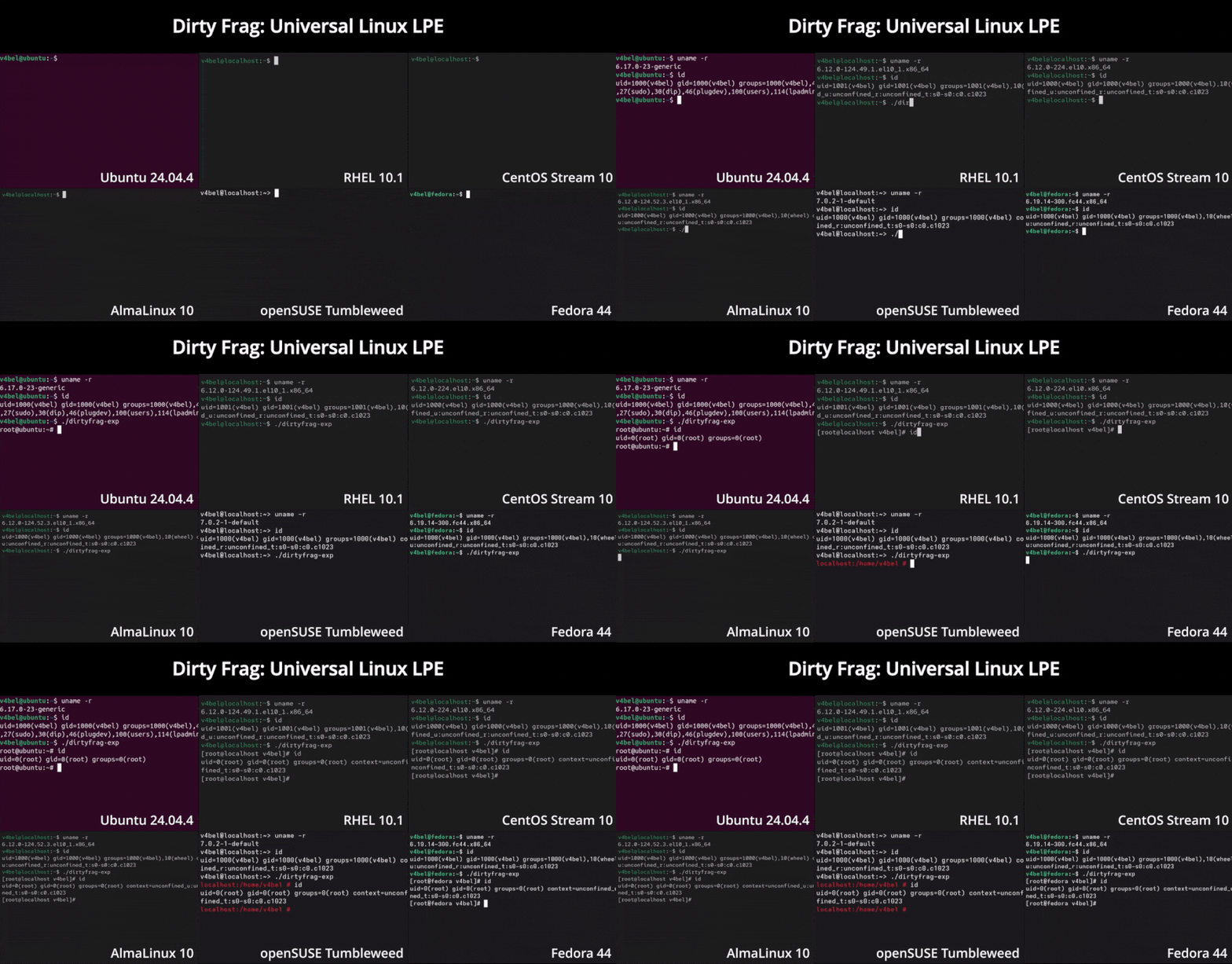
Linux Kernel Dirty Frag LPE Exploit Enables Root Access Across Major Distributions

Details have emerged about a new, unpatched local privilege escalation (LPE) vulnerability impacting the Linux kernel. Dubbed Dirty Frag, it has been described as a successor to Copy Fail (CVE-2026-31431, CVSS score: 7.8), a recently disclosed LPE flaw impacting the