




Quasar Linux RAT Steals Developer Credentials for Software Supply Chain Compromise

A previously undocumented Linux implant codenamed Quasar Linux RAT (QLNX) is targeting developers’ systems to establish a silent foothold as well as facilitate a broad range of post-compromise functionality, such as credential harvesting, keylogging, file manipulation, clipboard monitoring, and network

One Missed Threat Per Week: What 25M Alerts Reveal About Low-Severity Risk

The dark secret of enterprise security operations is that defenders have quietly institutionalized the practice of not looking. This is not just anecdotal, but rather backed by a recent report investigating more than 25 million security alerts, including informational and

New Linux PamDOORa Backdoor Uses PAM Modules to Steal SSH Credentials

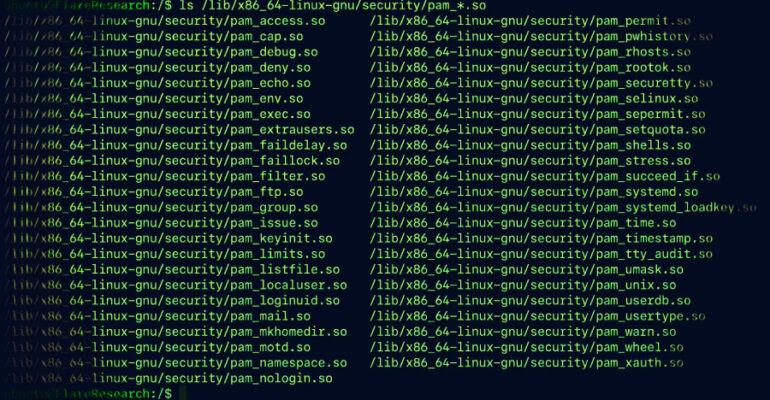
Cybersecurity researchers have disclosed details of a new Linux backdoor named PamDOORa that’s being advertised on the Rehub Russian cybercrime forum for $1,600 by a threat actor called “darkworm.” The backdoor is designed as a Pluggable Authentication Module (PAM)-based post-exploitation

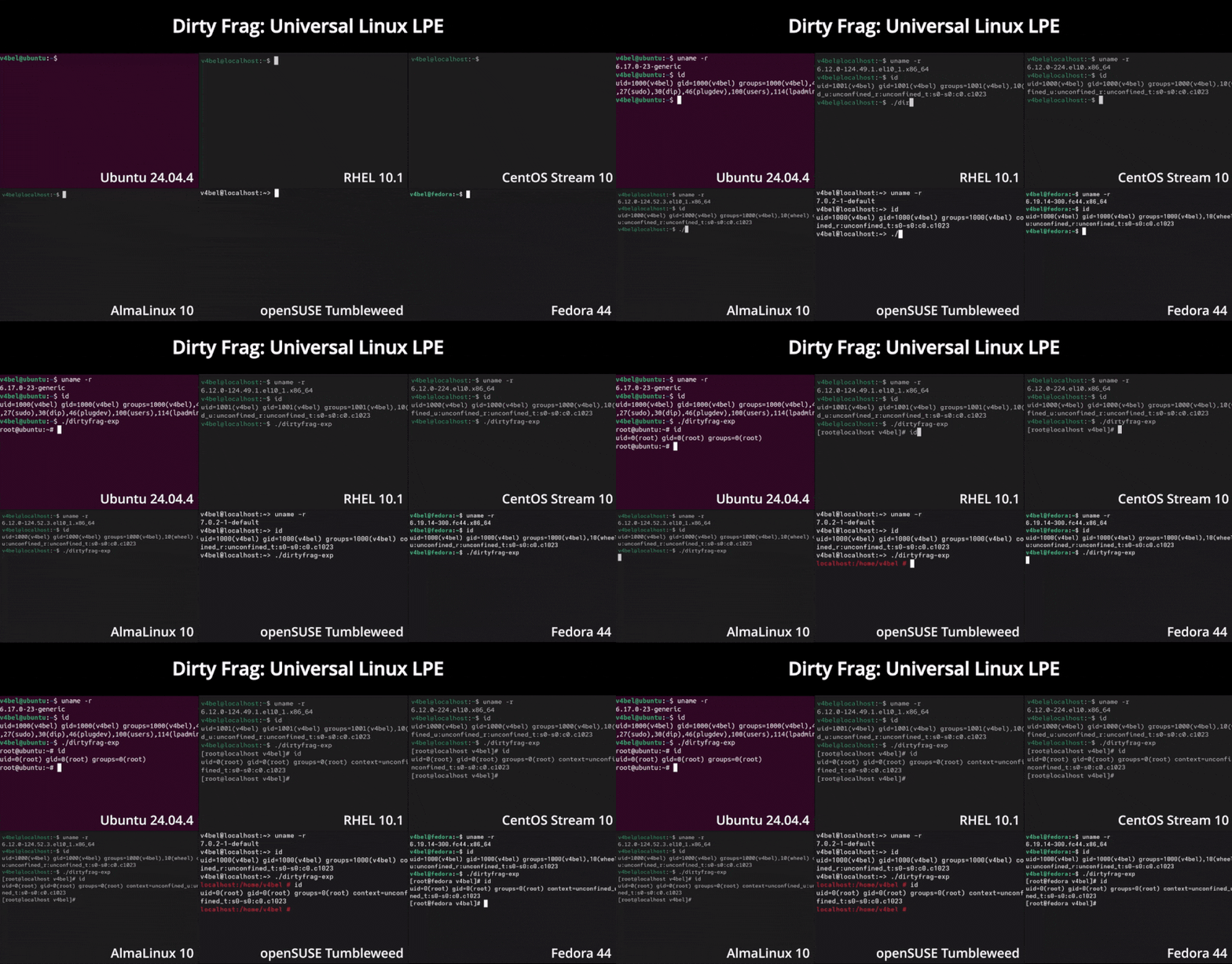
Linux Kernel Dirty Frag LPE Exploit Enables Root Access Across Major Distributions

Details have emerged about a new, unpatched local privilege escalation (LPE) vulnerability impacting the Linux kernel. Dubbed Dirty Frag, it has been described as a successor to Copy Fail (CVE-2026-31431, CVSS score: 7.8), a recently disclosed LPE flaw impacting the

Ivanti EPMM CVE-2026-6973 RCE Under Active Exploitation Grants Admin-Level Access

Ivanti is warning that a new security flaw impacting Endpoint Manager Mobile (EPMM) has been explored in limited attacks in the wild. The high-severity vulnerability, CVE-2026-6973 (CVSS score: 7.2), is a case of improper input validation affecting EPMM before versions

PCPJack Credential Stealer Exploits 5 CVEs to Spread Worm-Like Across Cloud Systems

Cybersecurity researchers have disclosed details of a new credential theft framework dubbed PCPJack that targets exposed cloud infrastructure and ousts any artifacts linked to TeamPCP from the environments. “The toolset harvests credentials from cloud, container, developer, productivity, and financial services,

One Click, Total Shutdown: The “Patient Zero” Webinar on Killing Stealth Breaches

The hardest part of cybersecurity isn’t the technology, it’s the people. Every major breach you’ve read about lately usually starts the same way: one employee, one clever email, and one “Patient Zero” infection. In 2026, hackers are using AI to

PAN-OS RCE Exploit Under Active Use Enabling Root Access and Espionage

Palo Alto Networks has disclosed that threat actors may have attempted to unsuccessfully exploit a recently disclosed critical security flaw as early as April 9, 2026. The vulnerability in question is CVE-2026-0300 (CVSS score: 9.3/8.7), a buffer overflow vulnerability in

ThreatsDay Bulletin: Edge Plaintext Passwords, ICS 0-Days, Patch-or-Die Alerts and 25+ New Stories

Bad week. Turns out the easiest way to get hacked in 2026 is still the same old garbage: shady packages, fake apps, forgotten DNS junk, scam ads, and stolen logins getting dumped into Discord channels like it’s normal. Some of

Day Zero Readiness: The Operational Gaps That Break Incident Response

Having an incident response retainer, or even a pre-approved external incident response firm, is not the same as being ready for an incident. A retainer means someone will answer the phone. Operational readiness determines whether that team can do meaningful